Regarding Toronto, property transfer tax takes center stage during property transactions, encompassing sales and purchases and extending to capital gains. The local governing body offers the convenience of settling these dues online and offline. However, staying on top of deadlines is important to avoid penalties for tardy payments. Here, we'll guide you through the Toronto Property tax lookup.
What is Property Tax in Toronto?
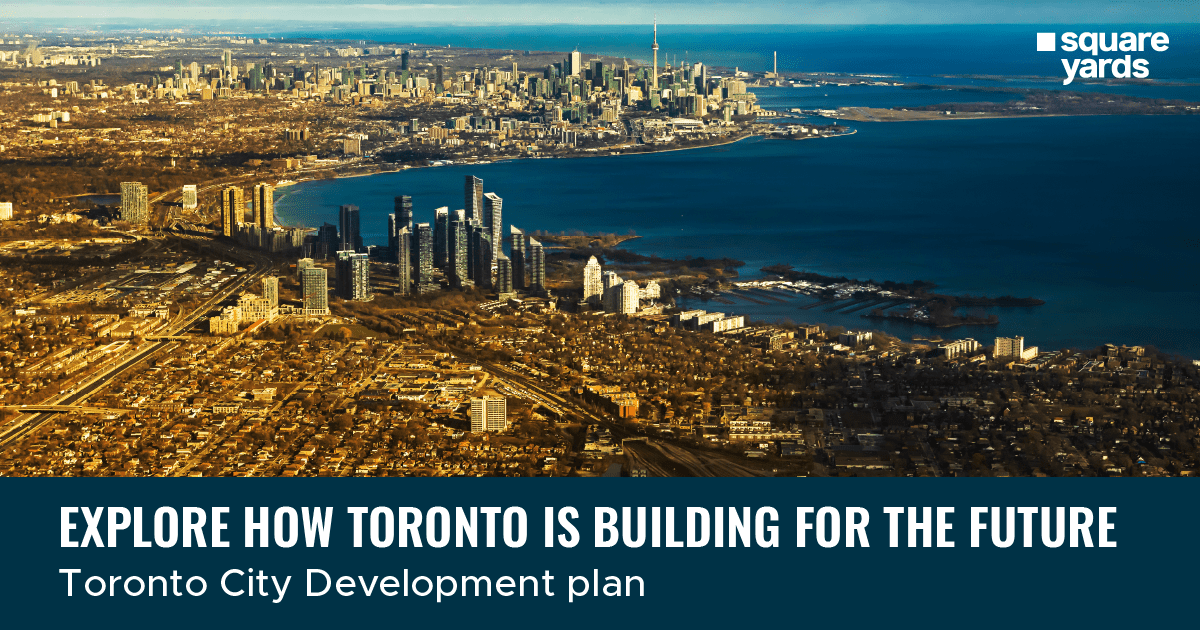
Toronto is the capital of Ontario and is located on the northern side of Lake Ontario. The city is home to more than 2.5 million people, and its population increased by 2.3% in 2021 compared to 2016. As a result, the prices of properties in the city are also increasing with increased demand. Therefore, the Toronto Property Tax comes into the picture.
The taxation on real estate properties in Toronto is based on their assessed value. After completing four years, the Corporation of Municipal Property Assessment (MPAC) conducts an evaluation. This evaluation is done to find the value of all the properties and submit it to the Toronto property tax authority. This assessed value can differ significantly from the property's market value. The final real estate tax is calculated after multiplying the final property tax of Toronto for that particular year by the property's assessed value. Two parts of the property tax are to be paid in Toronto.
These two are the educational tax, which remains the same throughout Ontario, and the municipal tax, which solely depends upon the municipality of the specific property. Given the population and property prices, the Toronto real estate tax is the lowest in the province. The taxation in the city helps maintain the quality of various facilities.
The Toronto real estate tax is used for several reasons, such as student nutrition programs in schools, repairing roads, maintaining the hygiene of the surroundings, and many others. The tax is easy to pay. The government allows people to pay it in 2 instalments or as many as 11 instalments. However, one must enrol in the Pre-Authorised Tax Payment Program to pay the tax in instalments. The tax will differ depending on the property type, size, and factors like floors.
With such benefits come some responsibilities, too. If you do not pay the Toronto property tax on time, late payment charges will be added to the past taxation amount at 1.25% on the first day of the default. The same penalty tax will be applied on the first day of the month thereafter. This penalty applies only if the real estate tax is not paid. The property tax and utility bills are mailed to the registered address of the respective owner. Any payment after the due date will automatically be considered late payment.
What are the Types of Toronto Property Tax?
The Toronto real estate tax is classified into two categories:-
- The Municipal Tax: This is one of the most important components of the Toronto property tax. This taxation will differ in different jurisdictions of Toronto. The amount for this property tax depends upon the municipality where the property is located. This tax amount is used to maintain the cleanliness of the jurisdiction, offer security, maintain hygiene, etc.
- The Education Tax is another important real estate tax component homeowners must pay. It remains the same throughout all the provinces of Ontario. This tax helps provide several educational benefits, like introducing nutrition systems in schools, offering a good infrastructure for learning, providing education with experiments, and more.
These two are the major components of the Toronto real estate tax, but some may also levy other taxes like the City Building Fund in the City of Toronto, which is used for the construction of projects and public transit. Refer to the tabulated data below to get a better understanding of the types of property along with the rates and total applicable fees on any property:-
Description | City Tax Rate | Education Tax Rate | City Building Fund | Total Tax Rate |
Residential | 0.592653% | TBA | 0.008434% | TBA |
Multi-Residential | 1.036734% | TBA | 0.007571% | TBA |
New Multi-Residential | 0.592693% | TBA | 0.008434% | TBA |
Commercial General | 1.385397% | TBA | 0.010081% | TBA |
Industrial | 1.483217% | TBA | 0.021086% | TBA |
Pipelines | 1.139923% | TBA | 0.016223% | TBA |
Farmlands | 0.148136% | TBA | 0.002109% | TBA |
Managed Forests | 0.148136% | TBA | 0.002109% | TBA |
How to Calculate Toronto Real Estate Tax?
Municipal Property Assessment Corporation (MPAC) conducts the assessment for all the properties in Ontario every four years. The evaluation takes place for all kinds of property, including residential ones. To access the value, the authority considers several factors like the property's market value, type, and more. The authority also announces the valuation guidelines for transparency. The calculation of the Toronto real estate tax is done simply. Multiply the current year's property value (as determined by the Corporation of Municipal Property Assessment [MPAC]) by the Council-approved Toronto property tax rate and the education and City Building tax rates set by the government and authority.
To calculate property tax in Toronto, use the following formula:-
Property Tax= (Assessed Property Value) × (Municipal Tax Rate + Education Tax Rate) + Additional Levies
How Property Tax in Toronto Works?
Municipal Property Tax
- The City of Toronto leases it based on property value (assessed by MPAC).
- Tax rates vary by property type (residential, commercial, industrial, etc.).
- Revenue funds city services like transit, police, and infrastructure.
Education Property Tax
- The Ontario government set it to fund public education.
- Collected alongside municipal property tax but sent to the province.
Land Transfer Tax (LTT)
- A one-time tax is paid when buying property.
- Toronto has both provincial and municipal LTT.
- First-time homebuyers can get a rebate of up to $3,725.
Vacant Home Tax
- 1% tax on the property’s value if left vacant for over six months.
- Aimed at increasing housing supply.
Business Property Tax
- Higher tax rates for commercial and industrial properties.
- Some tax relief programs are available for businesses.
Tax Relief Programs
- Grants and deferrals for seniors, low-income homeowners, and disabled individuals.
How It Works:-
- MPAC Assessment: Determines market value.
- Tax Rate Applied: Set by the City and Province.
- Tax Bill Issued: Paid in installments.
- Rebates & Deferrals: Available for eligible homeowners.
Types of Property Tax Bills in Toronto
Property tax bills in Toronto are categorised based on billing cycles and adjustments. Here are the main types:-
1. Interim Tax Bill
- Issued in January, due in three installments (March, April, and May).
- It covers the first half of the year (approximately 50% of last year’s total tax).
- Helps fund city services until the final tax bill is calculated.
2. Final Tax Bill
- Issued in May, due in three installments (July, August, and September).
- Based on the new tax rate and property assessment.
- Adjusts for any changes from the interim bill.
3. Supplementary & Omitted Tax Bills
- Issued when there are newly built properties, renovations, or property re-assessments.
- Covers missed tax amounts from up to three previous years.
- Property owners receive notification from MPAC before receiving the bill.
4. Vacancy Tax Bill
- Issued to owners of properties declared vacant for over six months in a year.
- Charged at 1% of the property’s assessed value.
Toronto Property Tax Rebate
Toronto provides various property tax rebates and relief programs designed to assist homeowners, businesses, and first-time buyers minimise their tax burdens. Here are the key programs:-
1. Land Transfer Tax Rebate (First-Time Homebuyers)
- Who qualifies? First-time homebuyers purchasing a home in Toronto.
- Rebate amount: Up to $3,725 on the municipal land transfer tax.
- How to apply? Automatically applied at closing if eligibility is met.
2. Property Tax Deferral Program (For Seniors & Low-Income Homeowners)
Low-income seniors (65+ years old).
Low-income disabled homeowners.
- Benefit: Allows eligible homeowners to defer property tax payments until the home is sold or ownership changes.
- How to apply? Submit an application to the City of Toronto annually.
3. Property Tax Increase Cancellation Program (For Low-Income Seniors & Disabled Homeowners)
- Who qualifies? Same as the deferral program (seniors & disabled individuals with low income).
- Benefit: Cancels the increase in property tax from the previous year.
- How to apply? Apply through the City of Toronto.
4. Vacancy Tax Rebate for Exemptions
- Who qualifies? Property owners who received a vacant home tax bill incorrectly due to valid exemptions (e.g., home under renovation, hospitalisation, or legal reasons).
- Benefit: Full or partial rebate of the Vacant Home Tax (1% of assessed value).
- How to apply? File a declaration with supporting documents.
5. Rebates for Charities & Non-Profit Organizations
- Who qualifies? Registered charities and non-profits occupying commercial or industrial properties.
- Benefit: Rebates of up to 40% of property tax paid.
- How to apply? Submit an application to the City of Toronto.
Factors Considered to Calculate Toronto Property Tax
To accurately calculate your property taxes in Toronto, it's important to consider several key elements:-
- Property Assessment Value: The Municipal Property Assessment Corporation (MPAC) evaluates all properties in Ontario every four years. This assessment reflects the estimated market value of properties and serves as the basis for determining tax amounts.
- Municipal Tax Rate: The City of Toronto sets an annual tax rate for different property types, such as residential and commercial. This rate establishes the percentage of a property’s assessed value levied as municipal tax.
- Education Tax Rate: The Ontario government establishes an education tax rate that is added to the municipal tax. Although it makes up a smaller portion of the overall tax, it contributes to funding public education throughout the province.
- City Building Fund Levy: Toronto has introduced an extra fee, the City Building Fund, to fund infrastructure projects. This charge is included in property taxes to support city development initiatives.
Toronto Property Tax Calculation: Formula
To calculate property tax in Toronto, use the following formula:-
Property Tax= (Assessed Property Value) × (Municipal Tax Rate + Education Tax Rate) + Additional Levies
How to Check Your Property Tax Account in Toronto?
You will need specific information from your property tax bill to review your property tax details or make payments. Ensure you have the following information ready:-
- Assessment Roll Number
- Last Name or Business Name
- Postal Code
- Customer Number
Once you have this information, visit the City of Toronto Property Tax Lookup portal. This online system allows property owners to:-
- Check their current tax balance.
- View past payments and billing history.
- Access upcoming due dates.
- Download property tax statements.
- Update account details if necessary.
To log in, enter your details as requested on the portal and follow the on-screen instructions. If you face any issues, the City of Toronto provides customer support via phone or in-person service centres.
Toronto Property Tax: Payment Options
Landlords, property managers, and homeowners in Toronto must pay property taxes promptly. To make the process easier, the City of Toronto provides multiple payment options to accommodate different preferences.
Available Payment Methods:
- Online Banking: Add the City of Toronto as a payee and use your 21-digit property tax account number for payments.
- MyToronto Pay: An online payment platform for property taxes, utility bills, and parking violations.
- Pre-Authorised Payment Plan (PTP): Automatic withdrawals from your bank account on scheduled dates.
- Telephone Banking: Pay directly through your bank’s phone service.
- Direct Mail: Send a cheque or money order to the City of Toronto.
- In-Person Payments: Pay at Toronto City Hall or local civic centers.
Detailed Overview of Key Payment Methods:
1. MyToronto Pay
Developed in partnership with PayIt, MyToronto Pay is an online platform for residents and businesses to manage payments conveniently.
Features include:-
- Secure, paperless eBilling for property tax statements.
- Bill management with automated reminders and a payment history tracker.
- The ability to store payment details for future transactions.
- Payment options for multiple City of Toronto services.
2. Pre-Authorised Payment Plan (PTP)
For those who prefer a hands-free approach, the PTP program automatically allows the City to withdraw property tax payments from their bank accounts.
There are two plan options:-
- Regular Installment Plan: Payments align with standard due dates.
- Monthly Plan: Payments are spread evenly across 11 months, making budgeting easier.
This method is especially useful for landlords and property managers who oversee multiple properties. It ensures payments are made on time without manual intervention.
Best Practices for Property Tax Payments:-
- Keep records of all transactions for reference and tax filing.
- Set up reminders to avoid late fees, especially if paying manually.
- Plan for delays if mailing payments or visiting in person.
- Review payment policies regularly to stay updated on any changes by the City of Toronto.
Step-by-Step Process to Pay Toronto Property Tax Online
Paying property taxes online in Toronto is a fast and convenient way to remain up to date with your payments. The City of Toronto offers multiple digital options, including online banking and MyToronto Pay. Follow these steps to complete your payment online.
Option 1: Online Banking (Through Your Financial Institution)
Most Canadian banks and credit unions allow you to pay property tax online.
Steps to Pay via Online Banking:-
- Log in to your online banking account.
- Add a new payee and search for "City of Toronto – Property Tax."
- Enter your 21-digit property tax account number (found on your tax bill).
- Input the payment amount and confirm the transaction.
- Save the confirmation receipt for your records.
Processing Time: Payments may take 2-3 business days to process, so pay ahead of the due date.
Option 2: MyToronto Pay (City of Toronto’s Online Portal)
MyToronto Pay is an official online payment system for property tax, utility bills, and parking violations.
Steps to Pay via MyToronto Pay:-
- Visit the portal: Go to MyToronto Pay.
- Create an account or log in.
- Select “Property Tax” as your payment type.
- Enter your property tax account number and billing details.
- Choose your payment method.
- Confirm your payment and receive a digital receipt.
Processing Time: Payments via credit card and EFT are usually instant, but bank payments may take 1-2 business days.
Fees & Charges: Property Tax Toronto
The table below highlights the fees & charges that apply to property tax in the city of Toronto.
Fee/Charge | Description | Amount |
Municipal Property Tax | Annual tax based on the assessed value of the property. | Varies by property type (residential, commercial, etc.) |
Education Tax | Tax set by the Ontario government to fund public education. | Varies based on property class, generally a smaller portion of total tax |
Vacant Home Tax | Applied to properties left vacant for more than 6 months per year. | 1% of the property's assessed value |
Business Improvement Area (BIA) Levy | Additional levy for commercial properties in certain business districts. | Varies by district |
Late Payment Fees | Charged if the property tax is not paid by the due date. | Interest is charged at 1.25% per month on overdue balance |
Returned Payment Fee | Fee for returned or bounced payments (e.g., insufficient funds). | $45 per returned payment |
Property Tax Rebate for Charities | Rebates are available for registered charities and non-profits. | Up to 40% of property tax paid |
Pre-Authorised Payment Plan (PTP) Fees | Monthly or regular payments are withdrawn automatically. | No extra fees for PTP (standard method) |
Administrative Fees | Applied for special requests, such as duplicate tax bills or account changes. | Varies based on request type |
What Can Be Claimed on Taxes in Toronto?
Property Tax Rebates & Relief:
- Ontario Senior Homeowners’ Property Tax Grant: Up to $500 for eligible seniors.
- Property Tax Deferral: Available for low-income seniors and disabled homeowners.
- Vacant Home Tax Exemptions: Rebates for vacant homes under certain exemptions.
- Charity & Non-profit Tax Rebate: Up to 40% of property tax for eligible organisations.
Home Buyers’ Tax Benefits:
- First-Time Home Buyers' Credit: $5,000 tax credit.
- Land Transfer Tax Rebate: Up to $3,725 for first-time buyers.
Energy-Efficiency Tax Incentives:
- Canada Greener Homes Grant for energy-efficient renovations.
Medical Expenses:
- Claim medical costs that exceed 3% of your income.
Childcare Expenses:
- Deduct eligible childcare costs incurred while working or studying.
Charitable Donations:
- Claim tax credits for donations to registered charities.
GST/HST Credit:
- For low-income individuals/families.
Rental Property Expenses:
- Deduct costs like maintenance, utilities, and insurance for rental properties.
What are the Benefits of Filing Property Tax?
Filing your property taxes accurately and on time offers several advantages:
- Avoiding Penalties and Interest
- Access to Tax Relief Programs
- Eligibility for Property Tax Credits
- Improved Credit Rating
- Proper Assessment of Property Value
- Peace of Mind
- Ability to Claim Deductions
- Transparency in Local Government Spending
Toronto Property Tax Department: Contact
- Tax & Utility Inquiry Line
Monday to Friday: 8:30 a.m. to 4:30 p.m.
- Telephone: 311
- Outside City Limits: 416-392-2489 TRS: Dial 711
- Fax: 416-696-3605
- Email: propertytax@toronto.ca
- Inquiry & Payment Counters: Monday to Friday: 8:30 a.m. to 4 p.m.
- Mailing Address: City of Toronto, Revenue Services, General Correspondence, 5100 Yonge St., Toronto, ON M2N 5V7
Conclusion
Property taxes in Toronto are unavoidable for landlords, but they don’t have to be stressful. Understanding Toronto's property tax system- from property valuation to payment- helps you make informed decisions, avoid surprises, and enhance your finances. Keep in mind that the property tax landscape is constantly changing. Market shifts, new laws, and city developments affect your obligations. By staying informed and proactive, you can make smarter choices, ensuring your property management business thrives.
You May Also Read: