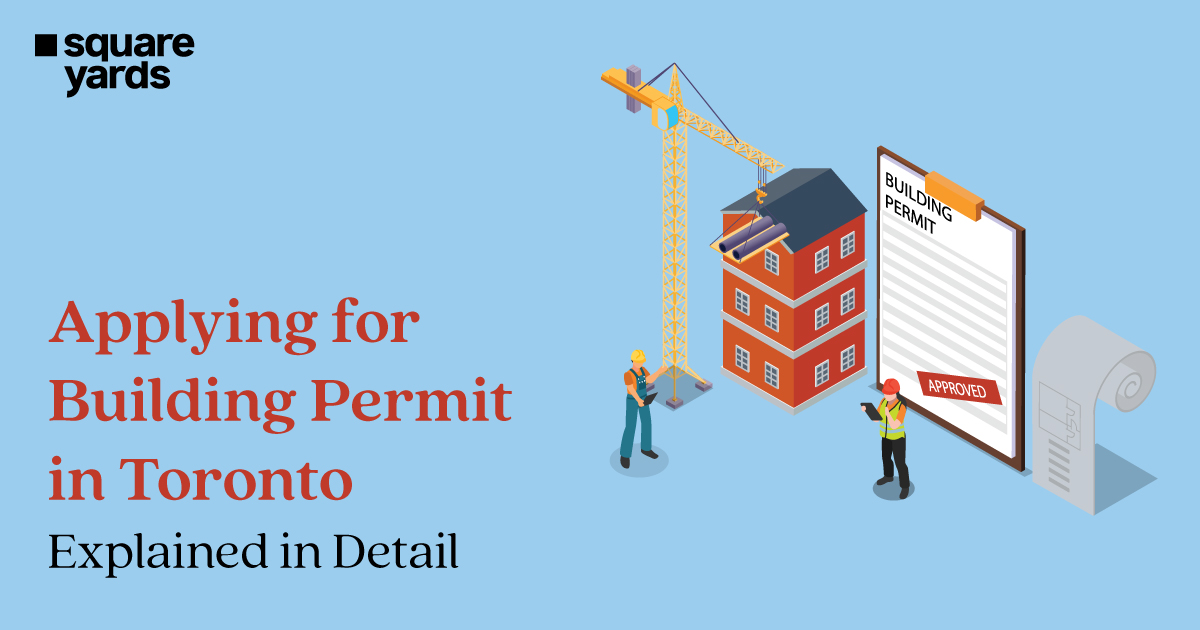
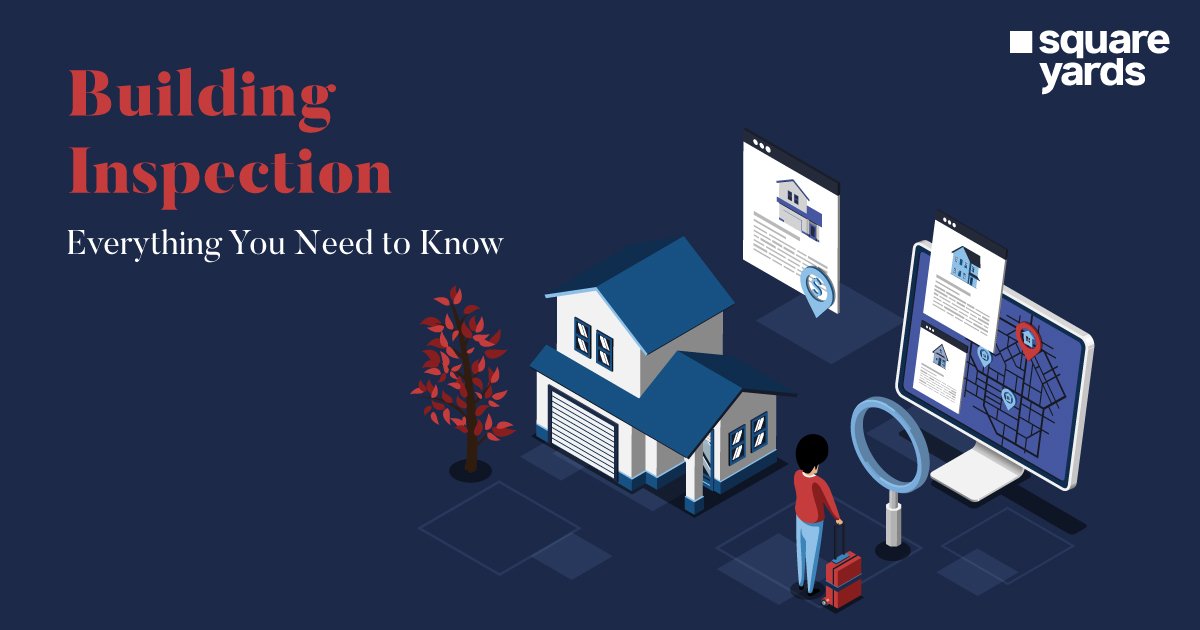
Toronto stands out as Canada's most renowned city. Thanks to its vibrant culture and abundant living and working opportunities, it's a top choice for those looking to settle in Canada. Furthermore, if you plan to stay in the city, you may have heard that you need a building permit to modify your house or workplace in Toronto. But what is a building permit? Do you require one for each project? What is the procedure for obtaining one? We are here to assist you with all your doubts about building permits in Toronto.
What is a Building Permit in Toronto?
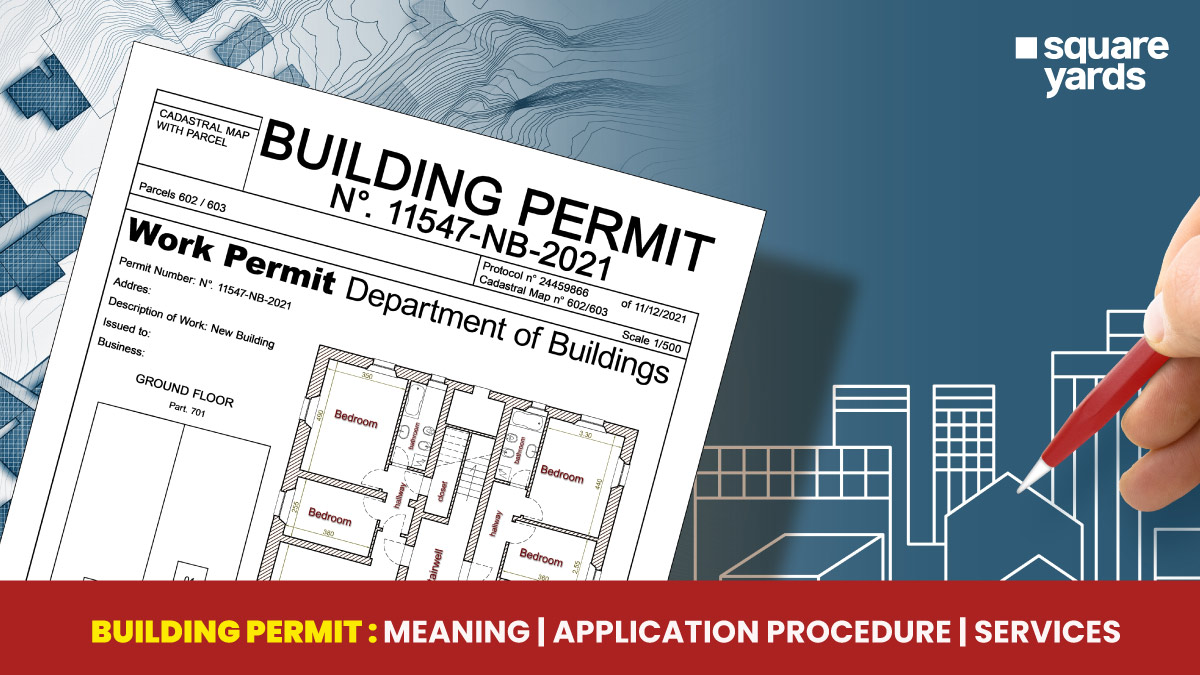
A building permit is essential in Toronto to maintain your residence or business. It also ensures that your house and commercial building are built correctly as per the permit rules. Holding the building permit will be helpful during challenging times and environmental events. In addition, based on the scale of your proposal, you may require more than one license. Although initially daunting, the procedure becomes straightforward once you grasp what you need and how to get it.
Requirements of a Building Permit in Toronto
Under the Building Code Act, a building permit is necessary to construct or reconstruct a new tower or significantly modify any building. The list below includes common initiatives that require a building permit in Toronto. Furthermore, as the building owner, you must ensure that construction requirements are met. The lack of building permits can lead to expensive project delays, civil proceedings, etc. Below is a list of projects that require a building permit.
- Construction of the New Tower.
- Adding new elements to an existing building—such as second—or third-storey additions or attached features like sunrooms, garages, decks, porches, carports, and solariums—can significantly expand its functionality and living space.
- Making structural or material modifications to a building—such as adding or removing walls, altering room sizes, installing new window or door frames, or enclosing existing decks, porches, or patios of any size.
- Constructing an accessory cabin or structure larger than 15 square metres—such as a pool house, jacuzzi room, detached garage, workshop, backyard shed, or carport.
- Completing a basement. It involves structural changes and material alterations, installation or modification of plumbing systems, underpinning, renovating the basement entrance, or fitting a second suite—each requiring careful planning and, often, regulatory approval.
- Environmental and energy-efficient building upgrades—such as rooftop storm-water retention systems, green roofs, structural reinforcements to support wind turbine generators producing over 3kW, and the installation of solar energy systems.
- Installing or reconstructing a chimney, fireplace, wood-burning stove, plumbing system, backwater valve, or backflow prevention device.
- Transforming one-unit bedrooms to multi-unit bedrooms.
Procedure to Apply for a Building Permit
To apply for a building permit in Toronto, you must meet certain requirements according to the building permit code. All design documents, application forms, and related files must be submitted in Portable Document Format (PDF) on a rewritable DVD. Furthermore, you can also email them if the email option is available. Additionally, individuals can contact customer service at the Toronto Building. However, if proposals are not being submitted digitally, you must submit your files by visiting the branch or sub-branch of the property. Toronto city consists of four planning districts:-
| North York: Civic Centre, 5100 Yonge Street, North York, ON, M2N 5V7. |
| Toronto and East York: Toronto City Hall, 100 Queen St. W., Toronto, ON, M5H 2N2. |
| Scarborough: Civic Centre, 150 Borough Dr., Scarborough, ON, M1P 4N7. |
| Etobicoke York: Civic Centre, 2 Civic Centre Ct., Etobicoke, ON, M9C 5A3. |
How To Check Building Permit Status?
To check the status of a building permit application in Toronto, you can use the City of Toronto's online tools designed for this purpose. Here's how you can proceed:-
Step 1: Visit the official website of City of Toronto’s. This portal displays information for:-
- Active permits up to 10 years old.
- Permits closed or cancelled within the last month.
*Note:- The information is updated daily (excluding weekends and holidays).
Step 2: Use the search function on the portal by entering:-
- Alpha numeric 15 digits "Application Number" and select the "Ward" you are applying for.
- The "Property Address" associated with the permit.
*Note:- Make sure all details entered are accurate to retrieve the correct permit status.

Step 3: Understand Permit Status Terms
To interpret your results effectively, get familiar with the status labels used:-
- Application Received – Submitted but not yet under review.
- Under Review – Currently being assessed by the city.
- Permit Issued – Approved and officially granted.
- Inspection – The permit is active and undergoing inspections
Step 4: Schedule a Final Inspection (If Project is Complete)
After completing your construction or renovation:-
- You must schedule a final inspection to close the permit officially
- Open permits can impact future real estate sales or new permit applications.
Visit the Request a Building Inspection page to book it.
Step 5: Request an Inspection Status Report (Optional)
Need a written update on the inspection stages of your permit?
You can request an Inspection Status Report online. This report will show:-
- Passed inspections
- Failed inspections
- Outstanding inspections
To order:
- You will need your permit number, email address, and a credit card.
More details are available on the Request an Inspection Status Report Online page.
Expected Time to get Building Permit in Toronto
The time required to obtain a building permit can range from 5 to 20 days, depending on the classification and scale of the project. The processing time will be influenced by factors such as zoning requirements and the completeness of the submitted documents, including the accuracy and detail of the architectural and engineering drawings.
Here is a breakdown of the estimated permit processing times based on project type and size:-
- 5 days: For residential projects that qualify for the fast-track process, including additions or interior alterations to single-family or two-family dwellings, these projects are generally limited to 100 m² (approximately 1,076 square feet) and must meet all zoning and code requirements to be eligible for this expedited process.
- 10 days: For single-family residential dwellings, including new homes or significant modifications, these projects typically require standard permits for homes that conform to zoning regulations and adhere to building codes.
- 15 days: For more complex residential or commercial structures, including multi-family residential buildings, Part 9 buildings, and small commercial or industrial properties under 600 m² with no more than three stories, these projects involve a higher degree of scrutiny while remaining relatively straightforward in the permitting process.
- 20 days: For larger and more complex developments, such as Part 3 buildings- including residential, commercial, and industrial projects over 600 m² or exceeding three stories- greater compliance with safety, environmental, and zoning regulations is required. Due to their size, these projects typically involve a more thorough review process.
It is important to note that these timeframes assume the application is complete, accurate, and compliant with all regulations. Delays may occur if additional documentation or revisions are required or if the project encounters complications during the review process. Ensuring that the submission meets all zoning and code requirements will help expedite the approval process.
You Don't Need a Building Permit For:
Certain home improvements and renovations in Toronto do not require a building permit, though this rule has specific exceptions. These exceptions typically involve projects that don't affect the building's structural integrity or safety features. Here's a breakdown of situations where you can carry out work without needing a permit:
1. Replacement of Windows, Doors, Roofing, or Siding
- No Permit Needed: You can replace existing windows, doors, roofing, and siding as long as you’re not altering the size or structure of the openings. For example, swapping out old windows for new ones of the same size or replacing the roof with similar materials does not require a permit.
- When a Permit Is Required: A permit is necessary if you change the size or location of windows or doors or replace the roof with materials that do not meet safety standards.
2. Fences (except pool Enclosures)
- No Permit Needed: If you are building or replacing a fence around your property, you generally don’t need a permit, provided the height does not exceed the zoning by-law limits. Fences under a certain height (usually 1.2 meters in front yards and 2 meters in backyards) typically do not require approval.
- When a Permit Is Required: Fences around swimming pools or any other enclosure specifically for safety around a pool require a permit. Pool enclosures have additional safety regulations that must be met, including height and gate requirements.
3. Kitchen or Bathroom Cupboards (without plumbing or electrical work)
- No Permit Needed: Installing or replacing kitchen or bathroom cabinets, countertops, or other non-plumbing or non-electrical fixtures generally does not require a building permit. These changes are cosmetic and do not impact the building’s structure or systems.
- When a Permit Is Required: You will need a permit if you plan to move plumbing or electrical systems or alter the layout of the space in a way that affects the structure.
4. Excavation Around the Home for Waterproofing
- No Permit Needed: Excavating around your property for waterproofing the foundation, as long as it does not involve any structural alterations or changes to the building's load-bearing foundation, typically does not require a permit.
- When a Permit Is Required: A permit is required if the excavation affects structural elements of the building, such as altering the foundation, or if it involves extensive work that could impact neighboring properties or public safety.
5. Solar Panels (Under Certain Weight Limits)
- No Permit Needed: Installing solar panels that weigh less than 5 pounds per square foot does not typically require a building permit. These lightweight solar systems are considered low-impact and are generally exempt from the permit process.
- When a Permit Is Required: A permit is necessary to ensure safety and structural integrity if the solar panel system exceeds the weight threshold or involves building structure modifications (such as adding significant load-bearing components).
What are Express Services in Toronto?
The City of Toronto is rapidly growing and enhancing how it provides essential facilities to its citizens. The government aimed to offer the people a coherent and reliable perspective on construction. The city will proceed with a staged rollout of its innovative service delivery prototype on January 9, 2023. The release of the initial stages of a product will represent the ‘Express Service’ support programme citywide. Toronto Construction staff will interact directly with candidates, suggesting smaller, less complicated projects that meet requirements to get their applications through the process, minimising the time it takes to release a licence.
Charges to Get a Building Permit in Toronto
Building permit fees in Toronto vary based on the type and scale of the project. Fees typically start at $198.59 for small residential projects. Additional charges may include zoning review fees and street damage deposits for new constructions or additions, which are refundable if no damage occurs. Fees for larger commercial or industrial projects will be higher, and charges may increase if multiple permits are required.
4 Streams to Review Building Permit
1. Complete the application form
- When all the conditions are met, then only the examiner will consider the building project finished.
- The property's owner or the landlord's authorised agent must present the signature on the application.
- All accessories and forms must be uploaded on a rewritable DVD with the proposal, and certain forms must be forwarded via email.
- Selecting the correct program, including a Zoning Applicable Law Certificate (ZAP), also confirms that all relevant laws have been met, as permitted by the Zoning Applicable Law Certificate.
- All application fees will be accepted.
The Building Code will evaluate comprehensive building permit uses when all the abovementioned criteria are fulfilled.
- 10 business days for a complete house
- 15 business days for a small structure
- 20 business days for a large structure
- 30 business days for a complex structure
2. Incomplete Application Form
- This stream detects those projects which have no Zoning Applicable Legislation Licence.
- There needs to be a time limit for reviewing this channel of approvals, and there should be no service charge for the re-examination of insufficient building permits.
3. Tracking the application form
Housing FASTRACK is an improved Planning Permission provider for various projects in existing housing stock with one or two housing units. The Toronto Building aims to evaluate qualified application forms within five business days.
4. Commercial Xpress
- Commercial Xpress is an improved planning permission service which provides specific project forms.
- The goal of the checker is to evaluate eligible application forms within ten business days.
Process to Review Plan
In this stage, the community will review your building plans, a questionnaire, a master plan, and a defined schema. If required, the blueprints for the layout plan portion might get refurbished. While proposals are being designed, employees are employed to provide the data needed to complete the work. It will apply to every functional aspect of the project. Sometimes, the town may also ask to view a 3D plan. There are four types of plan review processes:-
- Zoning: The Zoning regulation establishes rules for land or buildings. The rules will include the dimensions, parking area, location, and other building structures. The Zoning checker will also confirm whether your form complies with the regulations.
- Building Code: In this phase, the examiner will verify your building plans to evaluate compliance with all of the requirements of the Ontario Building Code. The Building Code consists of a set of minimum building safety requirements. It includes health and security, Fire defense, structural support, building materials, and other physical systems.
- Examining Mechanical Strategies: If relevant, your proposals and illustrations will be reviewed to ensure adherence to the Ontario Building Code.
- Fire Prevention Inspection: Some residential, institutional and commercial building inspection applications are embedded with fire protection systems. They will be reviewed for compliance with the Ontario Fire Code.
Guidelines for Electronic Submission
As per Chapter 363-5 of the Municipal Code, the Toronto department has made the electronic submission of all documents mandatory, including all application forms, detailed records, reports, proposal specifications, calculations, and plans. All scanned documents must meet the following specifications:-
- Proposals must have a high enough resolution to be readable on display, and the documents must be straight.
- Scanned rulings of 300 dpi in 1-bit black and white are generally sufficient. 600 dpi response is required for projects with fine lines and information.
- Do not decrease the size of the document image.
- Documents must be scanned in colour if they contain images.
You May Also Read: